
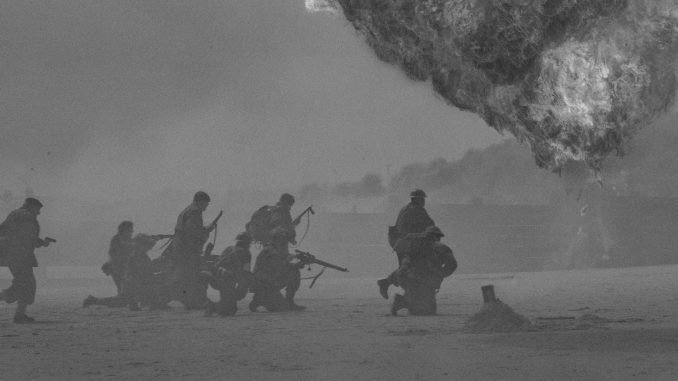
War stories are what we tell each other in AA, when describing our more colourful drinking experiences. You don’t have to be an alcoholic to have drunkenly fallen backwards out of a window at Babington House, attempted to rob the wine cellars at Queen’s College, Cambridge with a crowbar, or set a dumpster truck alight just for the lolz – but it helps and I should know, having played the leading role in all those adventures and more. A lot of ‘shares’ at AA take this approach in one way or another and, as you may imagine, can make for very entertaining listening. I suppose, if you had your sensible AA hat on, you’d say these are intended more as cautionary tales – do as I say, not as I once did, because look where I ended up, kind of thing.
But, being human and fallible too, it’s okay to laugh and shake your head in wonder and think, there but for the grace of God, go I. In fact there is some genuine therapeutic value in all this. Firstly, it makes you realise that you’re not alone. Alcoholic drunks nearly always end up doing something completely shameful, showing utter disregard for themselves and their loved ones and general contempt for the society that watches askance, even as it crosses the street to avoid them. Having done something truly unpleasant and worthy of genuine regret, you’re likely to ramp up the feelings of self-loathing, isolation and lacerating shame, already present in most addicts. Hearing someone else tell a story where they did something similar but much worse, helps to lift a heavy burden. It’s not just you who’s the sociopath, whatever someone else may have told you, because look here’s a room full of them.
Secondly, you can recount your war/horror story without fear of judgement. Which brings me to a more serious point. Judging others is something we all do, pretty much all of the time. I certainly do and, probably, so do you, but I’m learning slowly to do it less, or at least take a closer measure of the judgement I’m making. For instance, in therapy we’re taught to respond rather than react. Have a little think before blurting out whatever it is that’s so fucking important. There’s even, as there often is in therapy, a handy acronym:
S: Stop, whatever you are doing.
O: Observe your surroundings.
B: Breath, gently and a little more slowly.
E: Evaluate how you’re feeling and why.
R: Respond, don’t react.
Look it spells out the word SOBER, how clever. I imagine that the person who came up with this got a pay rise. Anyway, there’s a lot of merit to this approach in general and it works for making judgements too. Your judgement is less likely to be of the idle, thoughtless and hurtful variety and more of the other thing. Don’t get me wrong, judging people can be great fun and I don’t fully intend to stop – particularly when it comes to politicians and other rotters. But I would like to say a defensive word in favour of my fellow addicts and say that we could really do without it. Stick it up your arse in fact, because behind every hopeless drunk and thieving junkie, there’s usually the saddest tale to tell. People generally drink and use drugs to the point of disaster because they’re damaged, often profoundly so, in one way or another. And so it is, that when you tell your story in AA or other recovery groups, no one points the finger and howls at you like Donald Sutherland does at the end of Invasion of the Bodysnatchers.
Joking aside, both the feeling that you are amongst others similar to yourself combined with their lack of judgement, has a hugely beneficial effect on the mind of the already tormented addict. It’s something society in general could use a bit more of, I think.
Coming to the end of this, makes me realise that – aside from the brief scenes at the top of this post – I haven’t actually recounted any of my war stories, which will have to wait for another day. Also, I guess I’m still kind of processing the most awful stuff. I’ve done some pretty horrible things, and whilst I’m happy to own up to these in the rooms of Alcoholics Anonymous, I’m still wary of putting everything out there in public – wary of being judged, I suppose. And besides I’ve been advised to save some of the really juicy stuff for the book.
But, if you’re interested, here’s a few I’ve heard along the way. I’ve listened to all of these without judgement but forgiveness and empathy, knowing how well they encapsulate the unforgiving brutality and sadness of addiction and that it could easily have been me or anyone:
• The friend of mine who ended up passed out in her car in front of a police station, completely pissed with hardly any clothes on, her head slumped against the steering wheel with the horn blaring, like they do in the movies.
• The vet who told us how he’d waited for all his patients to leave one night, before casually injecting himself with ketamine, nearly killing himself and then losing the ability to walk for months.
• The guy I heard about who got drunk behind the wheel of his car and drove it into a family of four, killing them all.
• The friend of mine, a nurse, who used to spend the night shift nebulising vodka on the ward.
• Another friend of mine who – finding no alcohol in the house – took to spraying aftershaves and perfumes into a glass and drinking the liquid.
• The mother of two who came around to find her car wrapped around a tree with no memory of how she got there, or of having dropped her kids off at school earlier that morning.
• The surgeon I heard about who, prior to an operation, went into the toilet to inject himself with what he thought was pethidine, but turned out to be another drug entirely that basically caused him to asphyxiate. Pretty much the moment the juice hit his bloodstream he would have been rendered immobile, awake but unable to call for help, knowing that he was going to die.
One day at a time.
Photo by Duncan Kidd on Unsplash

Be the first to comment