
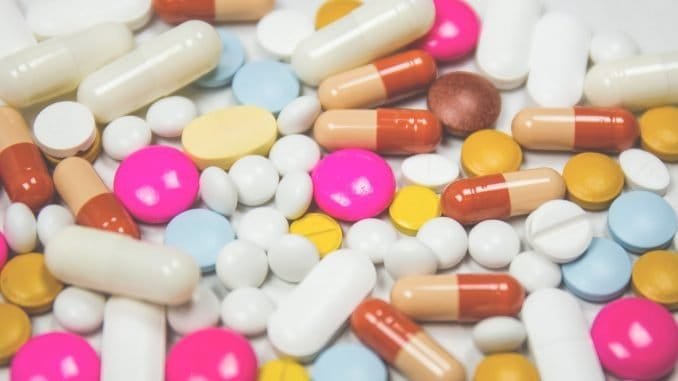
Over the last few weeks I’ve been taking a medication called Naltrexone, to help with my drinking problem. Pushed as a bit of a wonder drug in this area, and also used to treat opiate addicts, Naltrexone works by removing the euphoric effects of being drunk (or taking heroin), thus removing your impetus to drink. If you can’t get the effect you’re looking for, what’s the point right? Of course what Naltrexone can’t do is actually stop you getting drunk. So the alcohol still has an effect on your body, you just can’t feel it in the euphoric sense. Drinking on Naltrexone therefore, you may find yourself feeling completely sober whilst staggering around hopelessly as your basic motor functions take the usual hits. Alcoholics being alcoholics, they’ve sallied forth and done some pretty comprehensive in-field research on this matter. A friend of mine, for instance, whilst taking Naltrexone took it upon herself to drink copious amounts anyway. Thus, completely pissed but not feeling completely pissed at all, she clambered into her car only to awake some time later, parked outside a police station, half-naked behind the wheel with a couple of coppers peering in the window, and no memory of how all this had occurred. Oops.
So of course the point of this slightly strange effect rests more in the arena of the psychological. I now know that if I have a drink of alcohol, I absolutely won’t get the ‘high’ I’m after. Therefore why bother? Naltrexone also removes the taste component of alcohol, so if you’re looking to enjoy the rich, full-bodied flavours of that bottle of Penfolds Grange without getting drunk, you’re shit out of luck as well. Another alcoholic friend who takes the drug has reported imbibing a glass of wine, only to find that it tasted like water. He quickly became bored and put the glass down unfinished.
For me, this is an interesting development in my struggle with alcoholism, or ‘alcohol use disorder’ (or alcohol dependence syndrome) as its correctly known. These terms have changed over the years from the commonly used but now dated ‘alcoholic’, through to ‘alcohol abuse’ to the latest, more medicalised disorders and syndromes. This is, generally speaking, a ‘good thing’, as it gives the problem its correct medical provenance. Alcoholism has been classified as a chronic disease by the American Medical Association since the 1950s and also by the World Health Organisation. Naturally such classifications have led to the development of a medical response, in the form of drugs such as Naltrexone. When you go to a doctor and tell them you have a drinking problem, they may suggest a handful of options, such as:
- Naltrexone to remove the euphoria.
- Antabuse to make you violently ill if you drink alcohol.
- Acamprosate to reduce cravings.
- Diazepam (Valium) to calm your nerves through withdrawal.
Apart from the last option, I’ve refused all these in the past on the grounds that I didn’t really want to stop drinking. The thought of Antabuse particularly frightened me, because you get so sick if you drink whilst taking it that an ambulance is often required and, despite that, I still didn’t trust myself to not drink. Meanwhile another of the many baffled psychiatrists who’ve seen me, suggested that Acamprosate wasn’t particularly effective and not to bother. Valium works well to help you through the hellish anxiety of withdrawal and also prevents dangerous seizures, but isn’t an ‘anti-alcohol’ medication as such and is also highly addictive in its own right. So if I wanted to go down the medical route it was Naltrexone or nothing, pretty much.
However this presented me with another conundrum to present to my already spinning mind, as there are plenty of people in Alcoholics Anonymous who think you shouldn’t be taking any of this stuff and should just use the 12 Steps to sort your head out. The organisation itself takes a broader view of the matter and accepts that sometimes such things are necessary.
But for me, I’m now convinced that a dual approach is the best way forward. I say this both as an ardent believer in the power of medical science and as someone who’s also found solace and meaning in the spiritual solution offered by 12 Step programmes. In this, I’m supported by the weight of medical opinion who advise taking the medications I’ve mentioned above alongside some kind of therapy. The view seems to be that the meds require a psycho-therapeutic context within which they can work properly. So, alongside the powerful anti-depressants I’m taking, this is what I’m now doing. A lot of people, including professionals in the field, point out that anti-depressants make you feel better without addressing the root problems which are causing you to be unhappy. Which is true and all well and good but, frankly, I couldn’t give a shit. I wanted to stop feeling like a complete fucking basket case as soon as possible, and anti-depressants help me do just that. And as I’m also in therapy AND going to 12 Step meetings, I figure what the hell. On a personal level it’s really weird to think that, if I do crack and decide to have a delicious Long Island Iced Tea or whatever, I won’t taste it and won’t get drunk. But such is life
All this and more is background cover for my emergence from rehab back into the world. I’m going to face all sorts of challenges now, but right here in the moment, I’m laying a carefully planned medico-therapeutic groundwork for the next stage: life itself, lived in the fullness of emotional health and sobriety.
One day at a time.

Be the first to comment